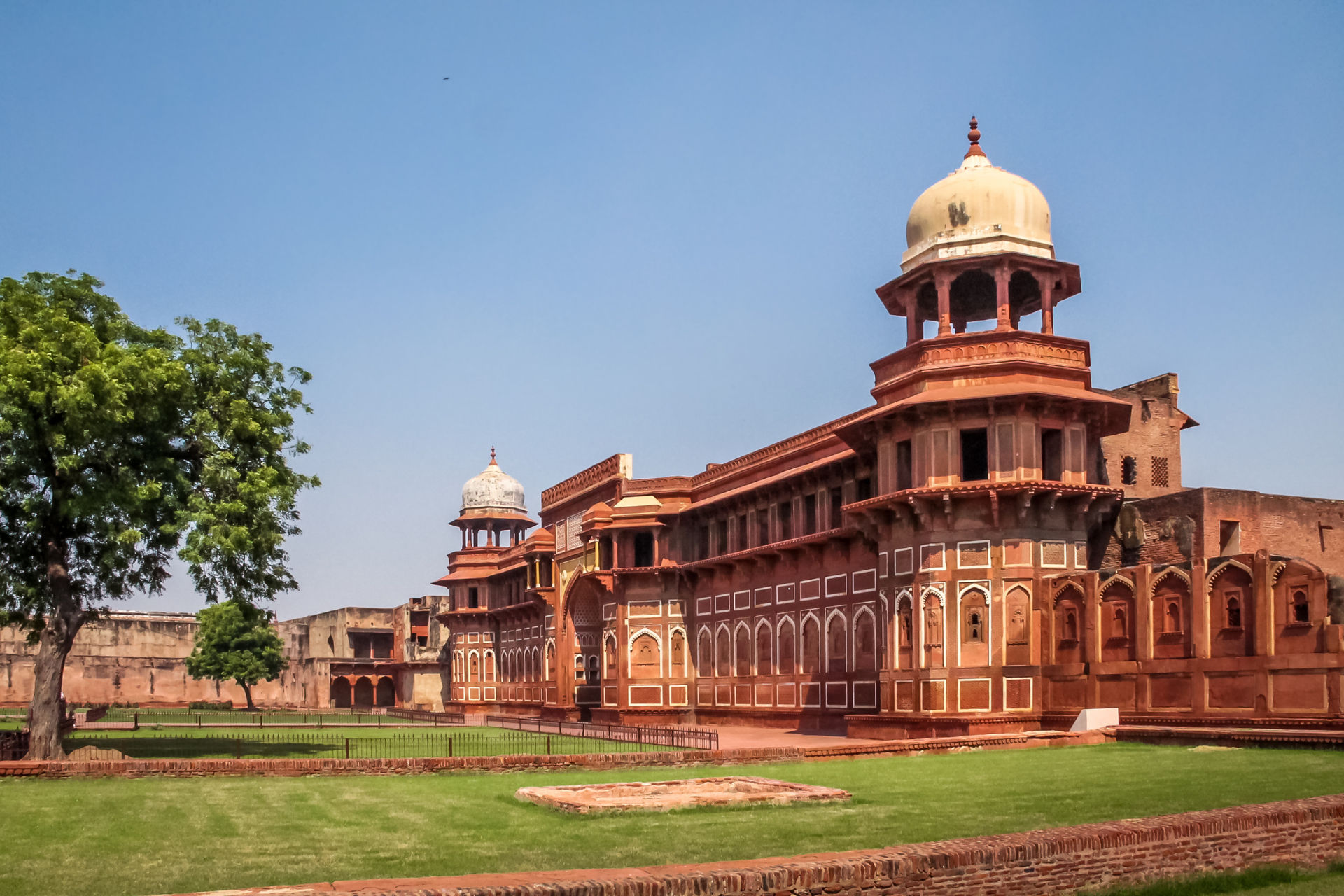
A UNESCO World Heritage Site showcasing Mughal grandeur and history.
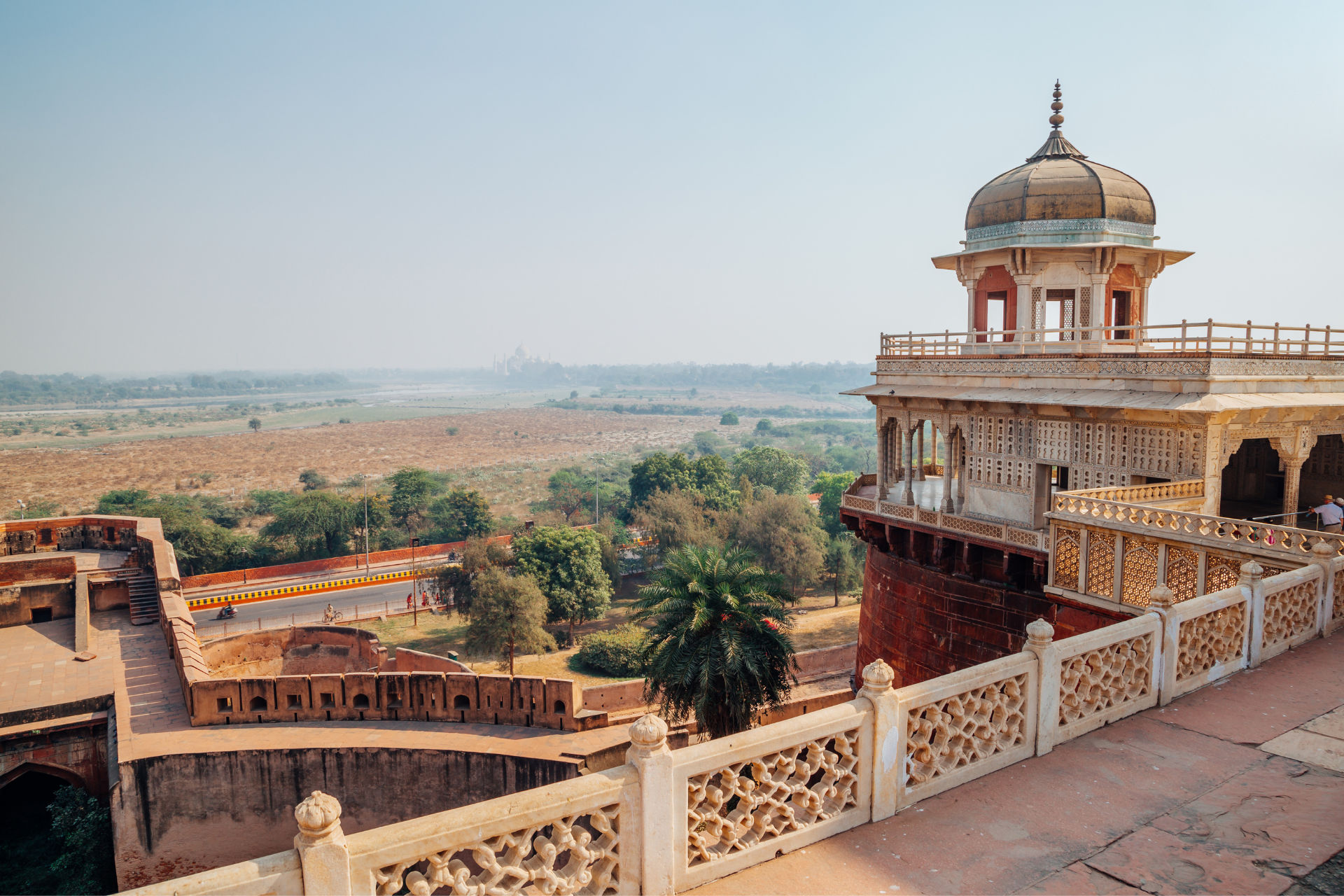
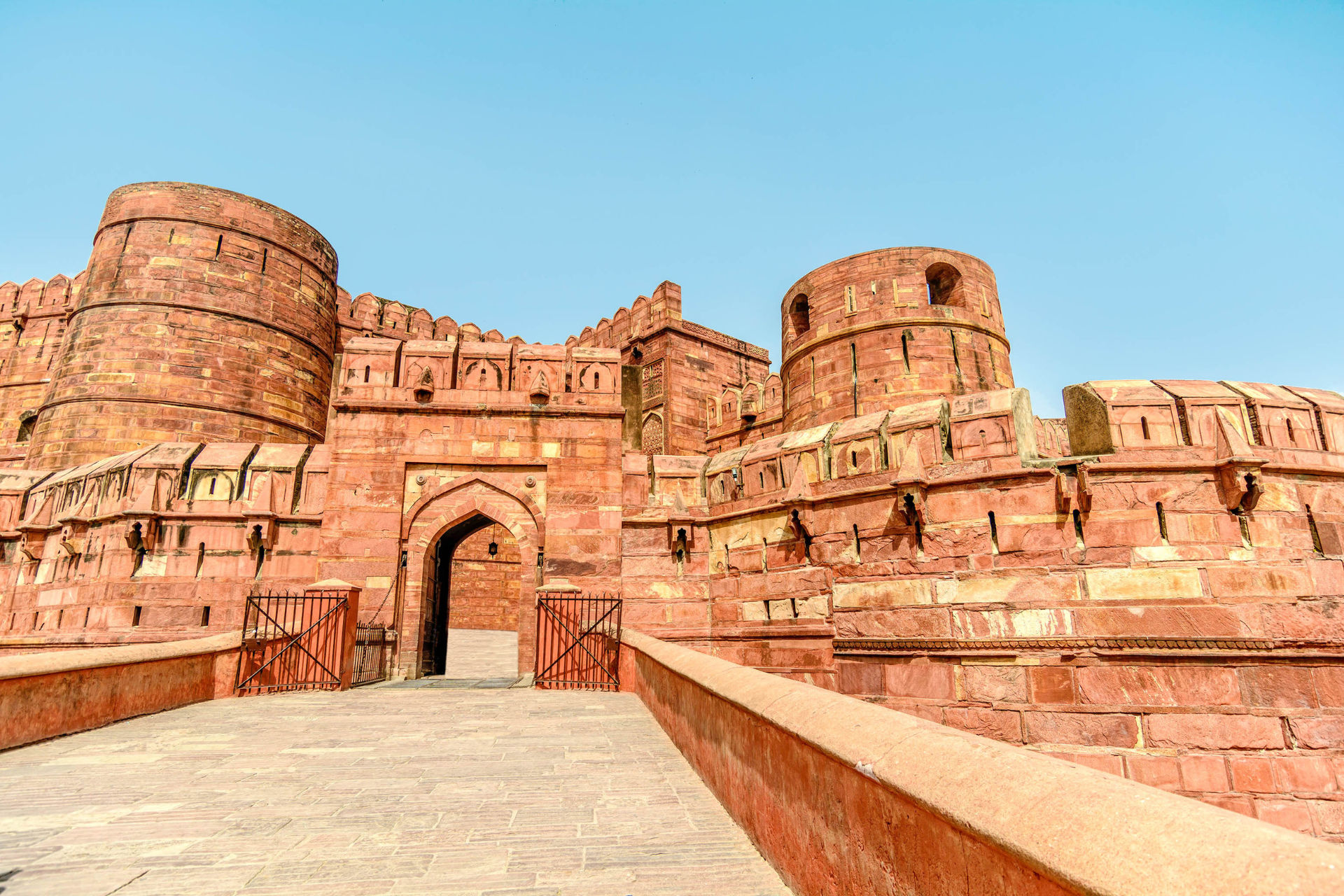
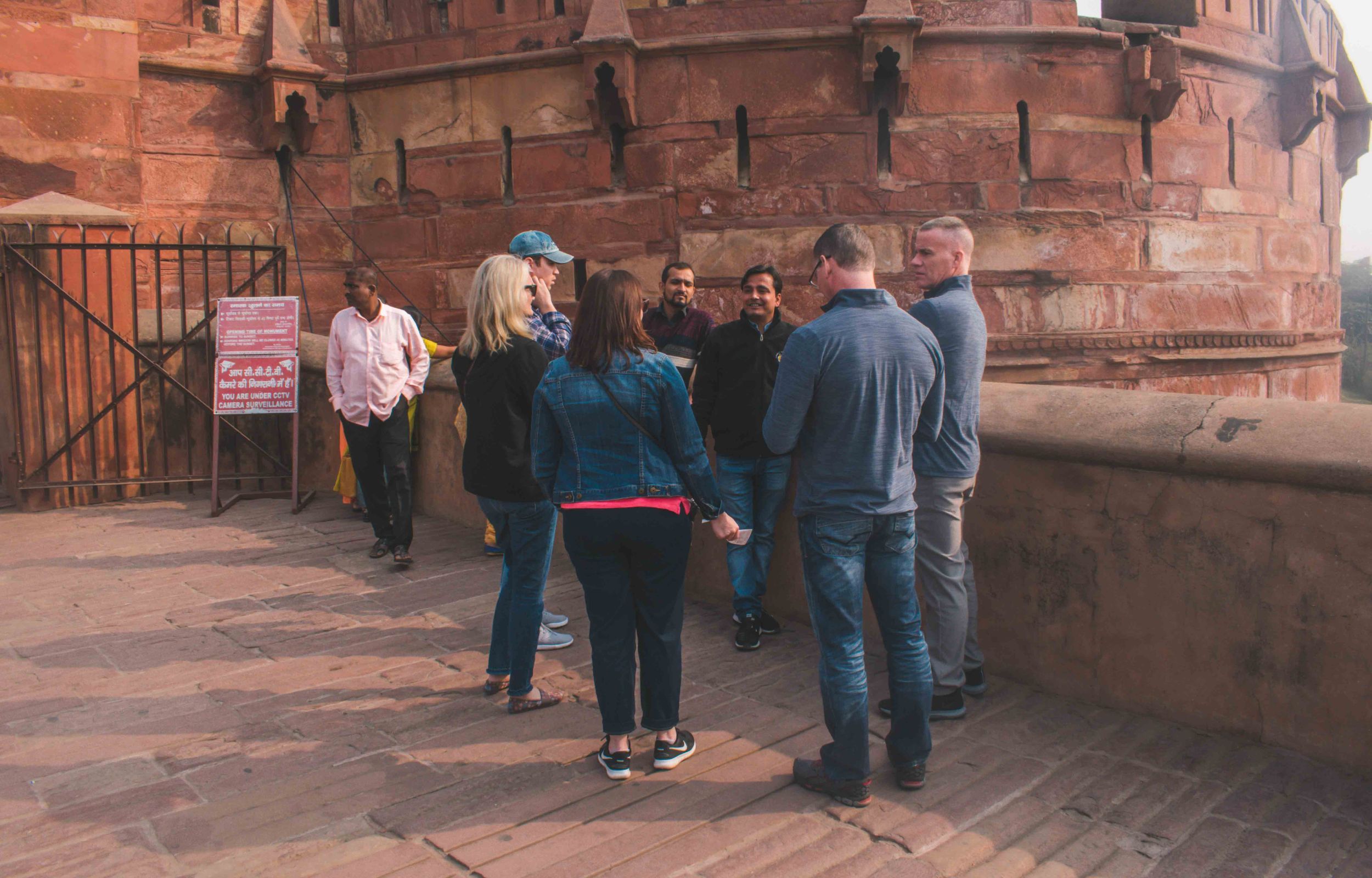
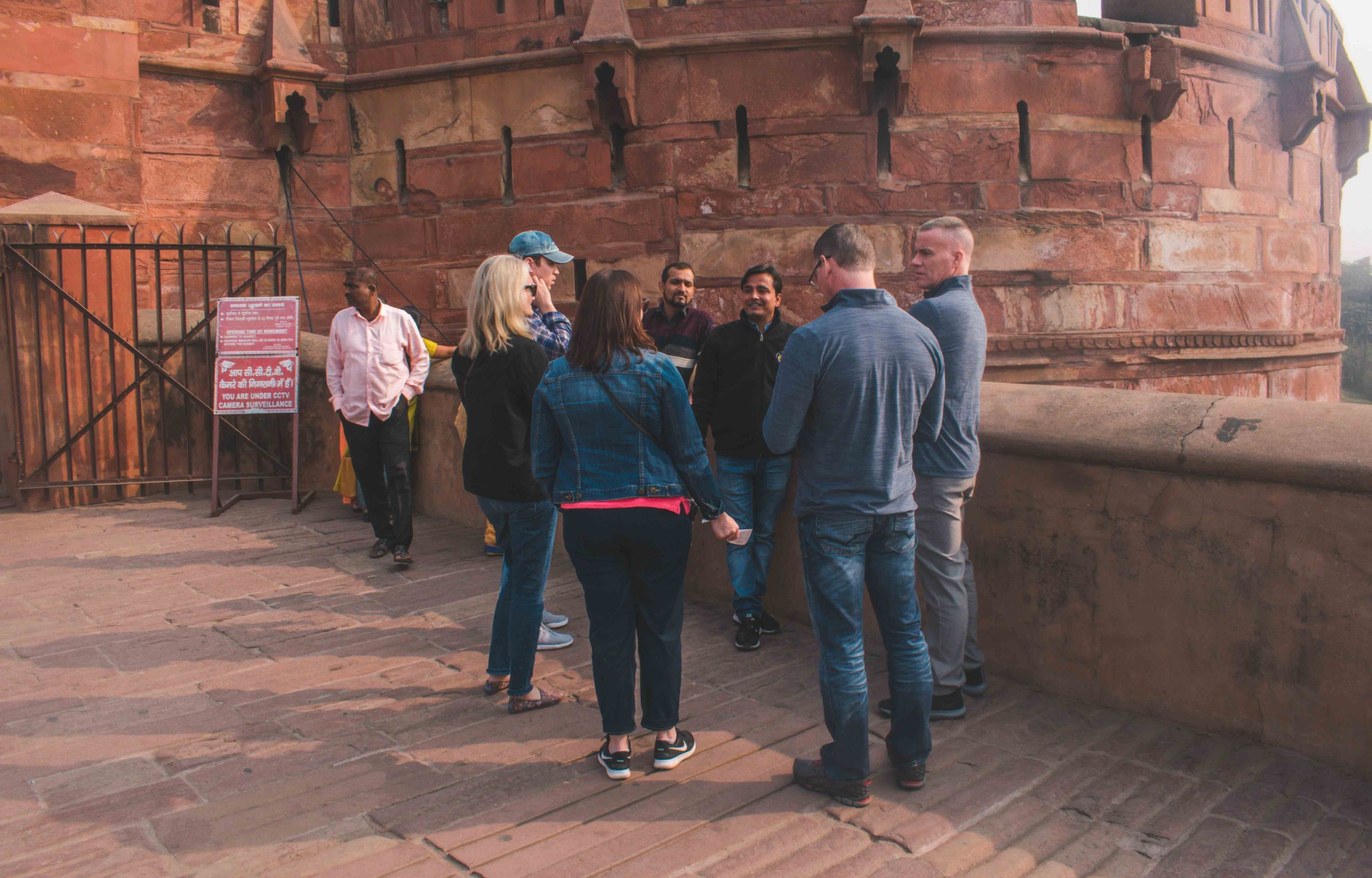
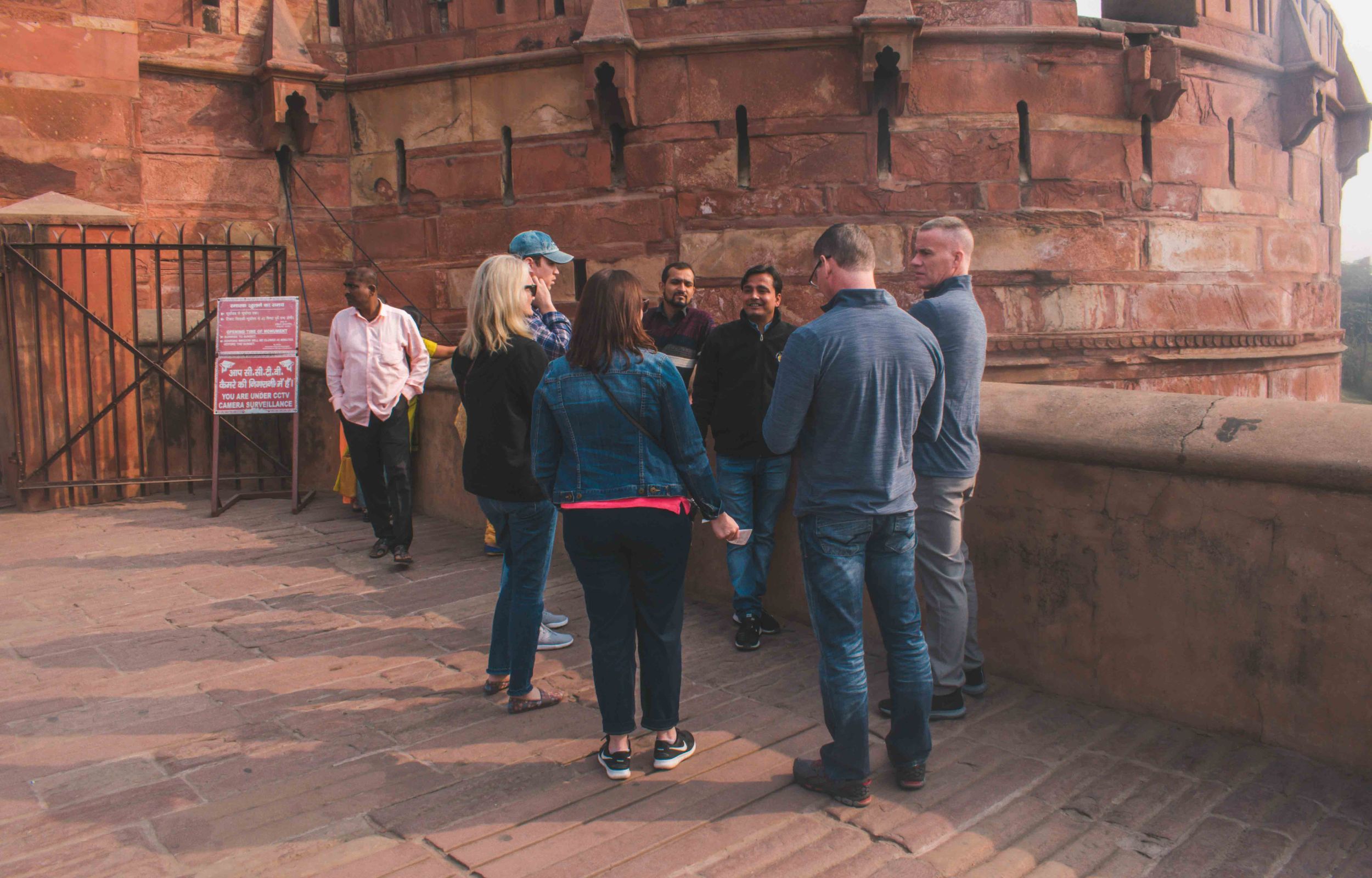
Agra Fort, located in Agra, Uttar Pradesh, is one of the most important monuments of India’s Mughal era. Built primarily under Emperor Akbar between 1565 and 1573, the fort is constructed of massive red sandstone walls that stretch over 2.5 kilometers. Later emperors, including Shah Jahan, added marble palaces and intricate embellishments, blending Persian and Indian architectural styles.
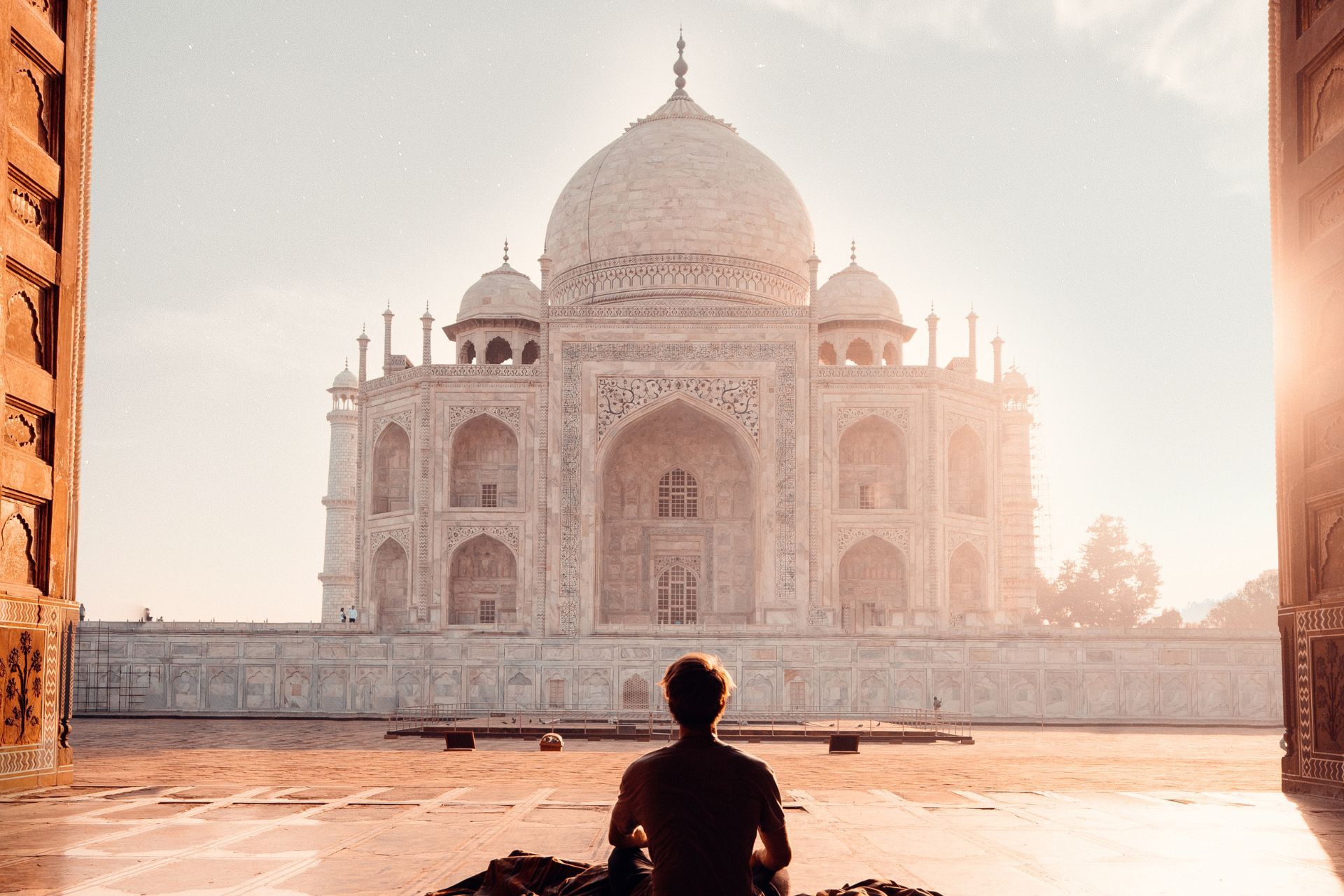
The fort served as the main residence of the Mughal emperors until 1638, before the capital shifted to Delhi. It was not only a military stronghold but also a royal palace complex, housing halls of audience, mosques, and lush gardens. Within its walls lie notable structures such as the Diwan-i-Am (Hall of Public Audience), Diwan-i-Khas (Hall of Private Audience), Sheesh Mahal (Palace of Mirrors), and the Moti Masjid (Pearl Mosque). Agra Fort is historically significant as the place where Shah Jahan was imprisoned by his son, Aurangzeb, with a view of the Taj Mahal across the Yamuna River. Today, it stands as a vivid reminder of Mughal power, artistry, and legacy.
Early morning hours are recommended, as temperatures are cooler and crowds fewer. Certain areas may temporarily restrict access during prayer times.
There is no mandatory ticketing system at the temple. Entry charges shown are indicative only and used for representation purposes.
Best Months: November – March
Best Time of Day: Morning hours
Seasonal & weather details:

Agra Fort is located about 2.5 km northwest of the Taj Mahal, in the Rakabganj area of Agra. It is easily accessible by road, and the nearest railway station is Agra Fort Railway Station. Visitors arriving from Delhi can reach Agra by train (such as the Gatiman Express), bus, or car, with travel times ranging from 2–4 hours.

Visitors must pass through security checks at the entrance. Large bags and food items are not permitted inside. Photography is allowed in most areas, but respectful behavior is expected, especially near mosques. Modest attire is recommended, and visitors should avoid littering within the premises.

Plan your visit early in the morning or late afternoon to avoid the midday heat. Wear comfortable shoes, as the fort is vast and requires walking through expansive courtyards and halls. Carry water, sunscreen, and a hat during summer months. Be cautious of touts outside the fort and hire only licensed guides for authentic information.
Enter your email to receive a reset link