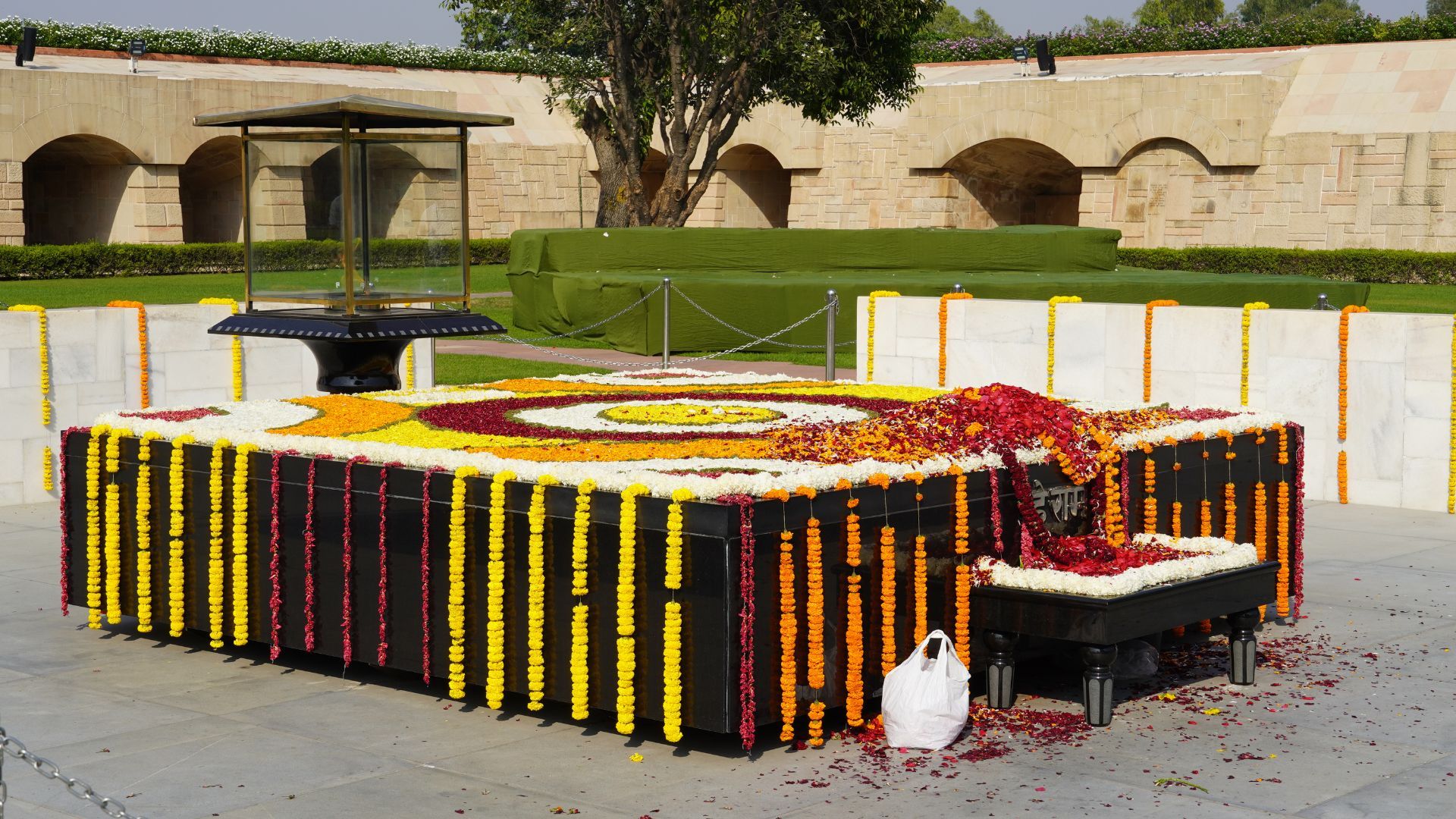
A place of remembrance where Mahatma Gandhi spent his final days.
Gandhi Smriti, formerly known as Birla House, is one of the most revered memorials in India. Built in 1928 by industrialist Ghanshyam Das Birla, the house became historically significant when Mahatma Gandhi stayed here for 144 days, from September 9, 1947, until his assassination on January 30, 1948. It was here that Gandhi held prayer meetings and engaged with leaders during the turbulent final months of India’s independence.
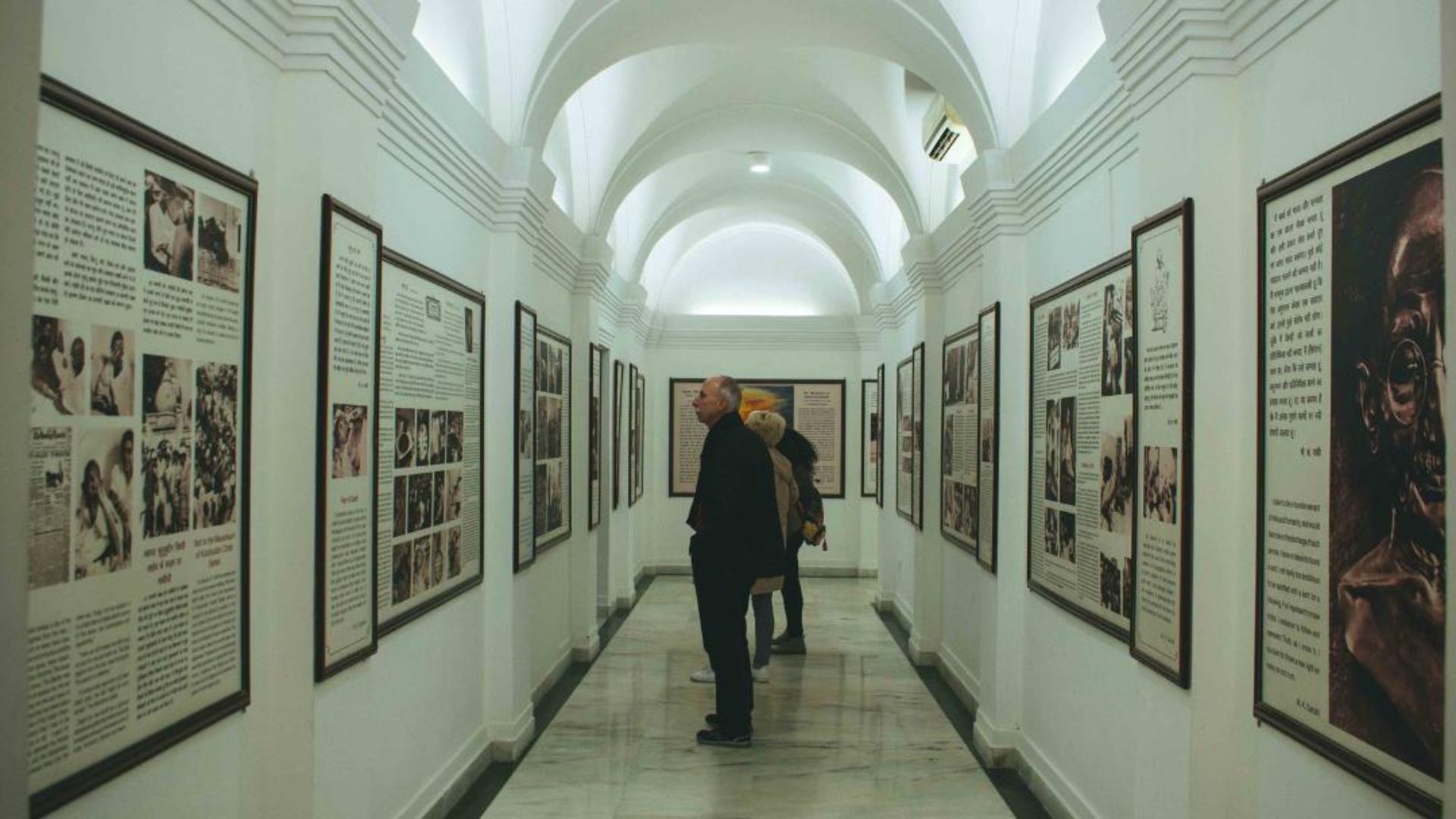
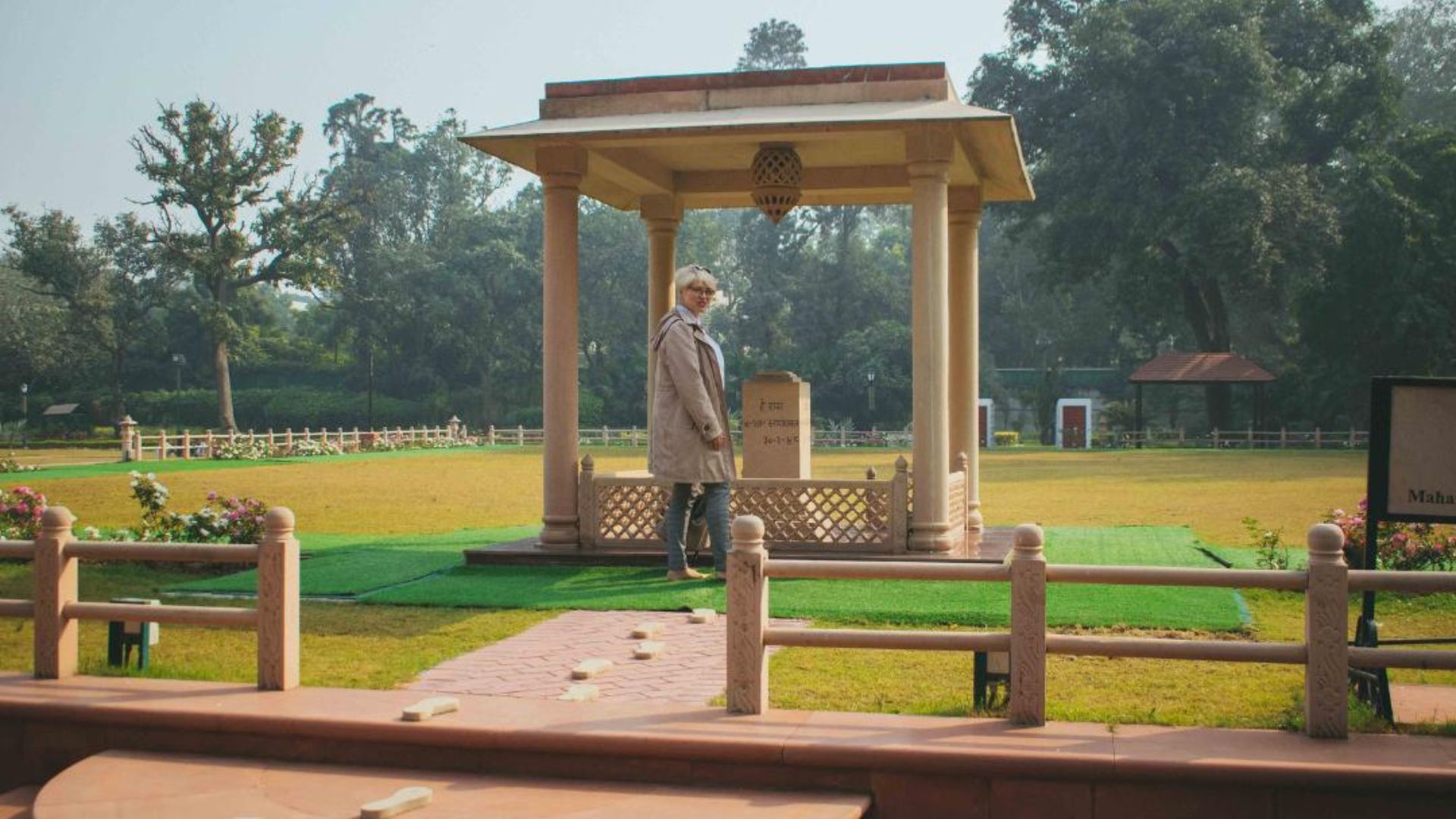
After his assassination, Prime Minister Jawaharlal Nehru requested the Birla family to dedicate the house as a memorial to Gandhi. Today, Gandhi Smriti preserves the room where he lived, the prayer ground where he was shot, and exhibits that narrate his life, philosophy, and contribution to India’s freedom struggle. It stands as a solemn reminder of his ideals of non-violence, truth, and simplicity.
Early morning hours are recommended, as temperatures are cooler and crowds fewer. Certain areas may temporarily restrict access during prayer times.
There is no mandatory ticketing system at the temple. Entry charges shown are indicative only and used for representation purposes.
Best Months: November – March
Best Time of Day: Morning hours
Seasonal & weather details:

Gandhi Smriti is located at 5, Tees January Marg, New Delhi – 110001, in the Motilal Nehru Marg area. The nearest metro stations are Lok Kalyan Marg, Udyog Bhawan, and Central Secretariat, all within 2–3 km. It is easily accessible by taxi, auto-rickshaw, or bus.

Visitors are expected to maintain silence and respect the sanctity of the memorial. Photography is permitted in most areas, but food, smoking, and littering are strictly prohibited. The prayer ground and Gandhi’s preserved room are treated as sacred spaces, requiring respectful behavior.

Plan your visit during the morning or late afternoon to avoid heavy crowds. Wear comfortable footwear, as the memorial includes both indoor exhibits and outdoor pathways. Carry water during summer months, and be mindful of the solemn atmosphere—this is not just a museum but a site of deep historical and emotional significance.
Enter your email to receive a reset link