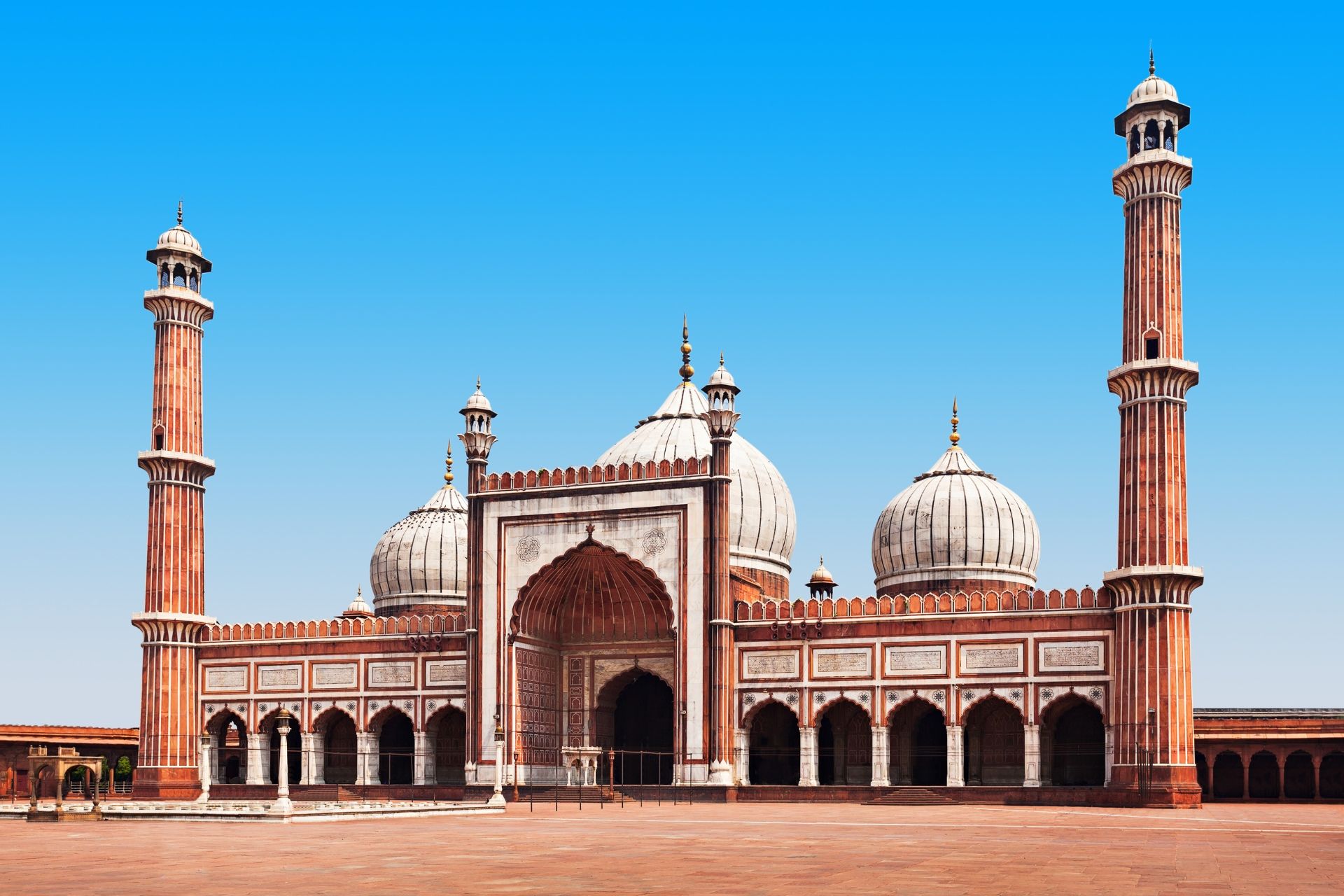
A timeless Mughal masterpiece and India’s largest mosque.
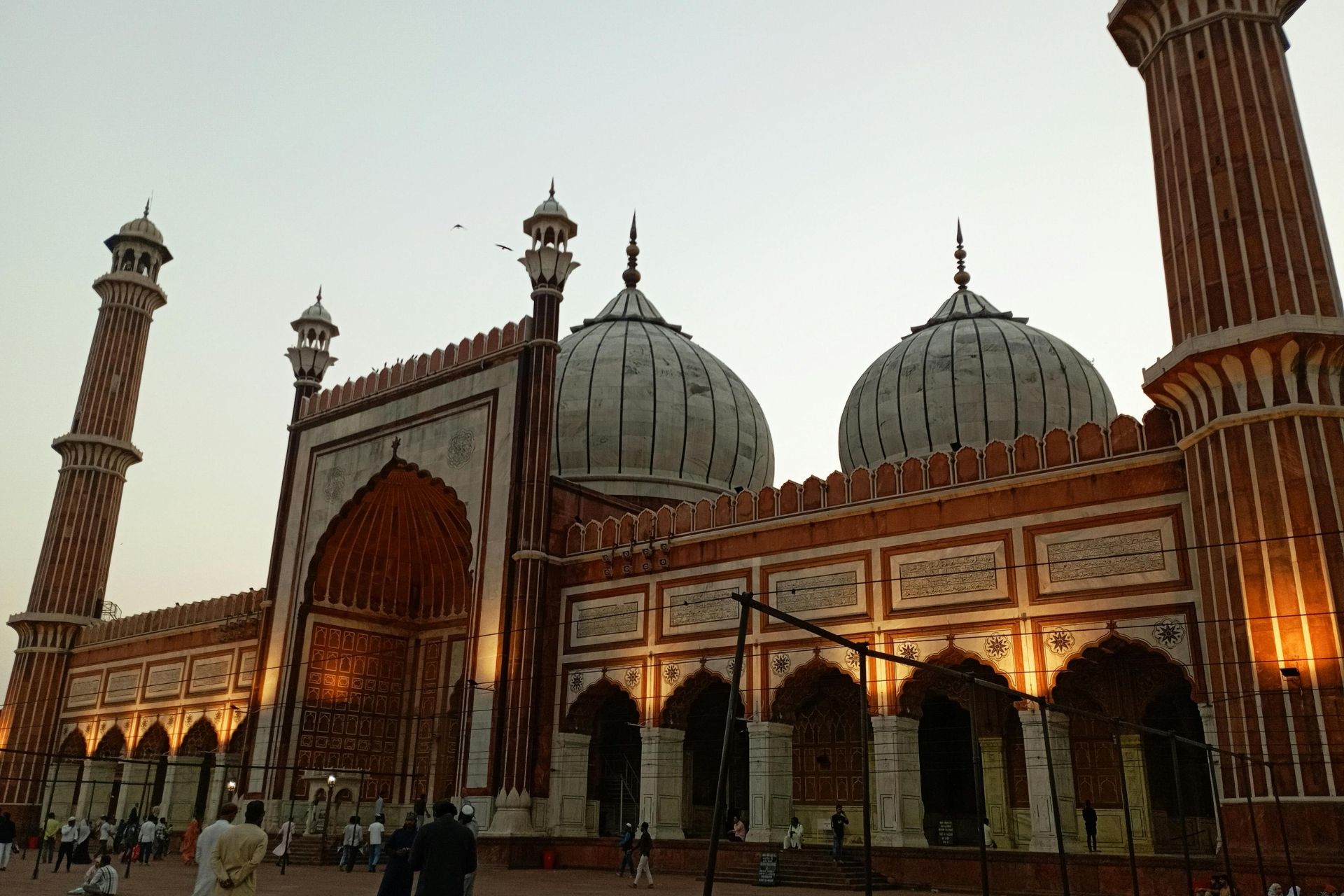
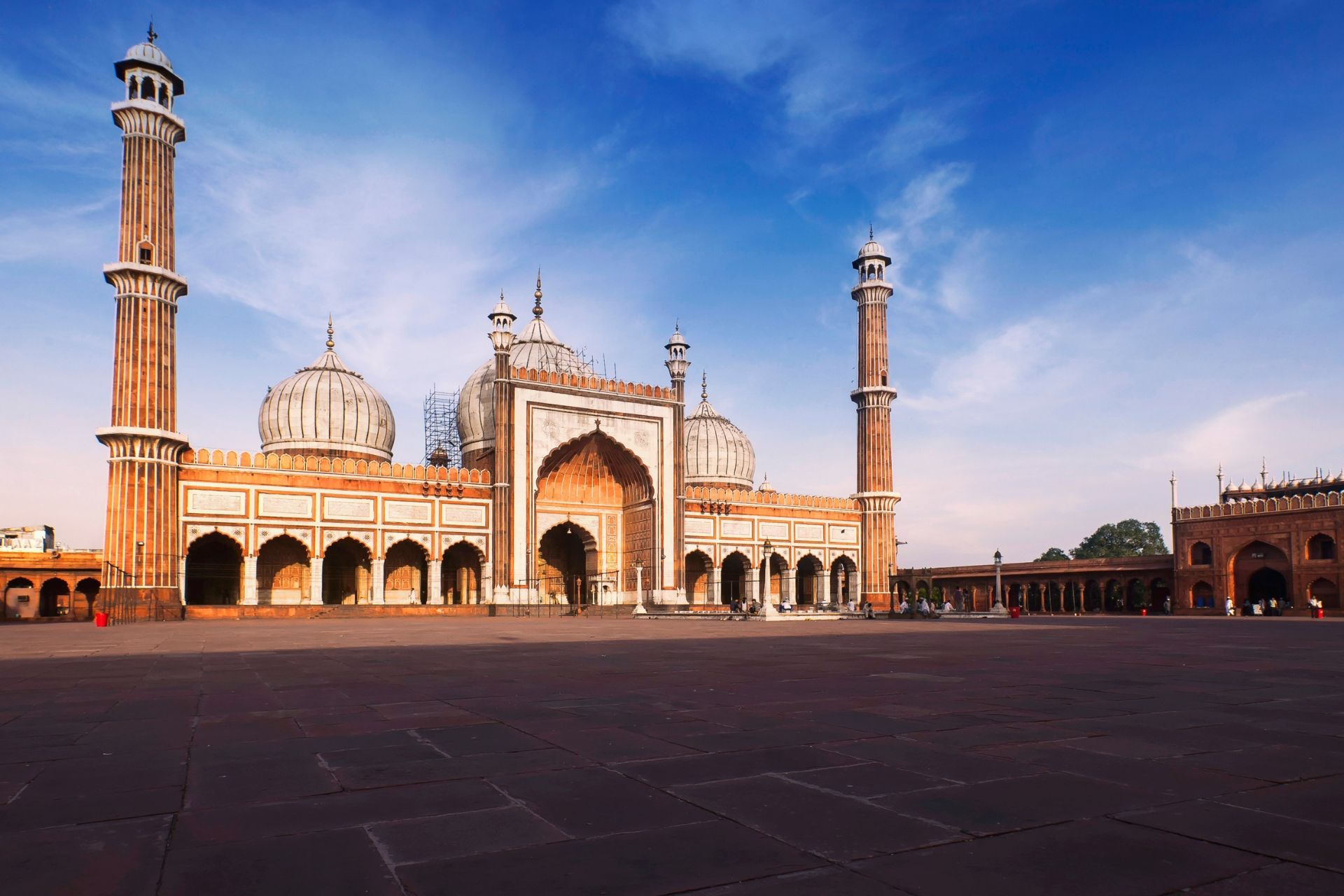
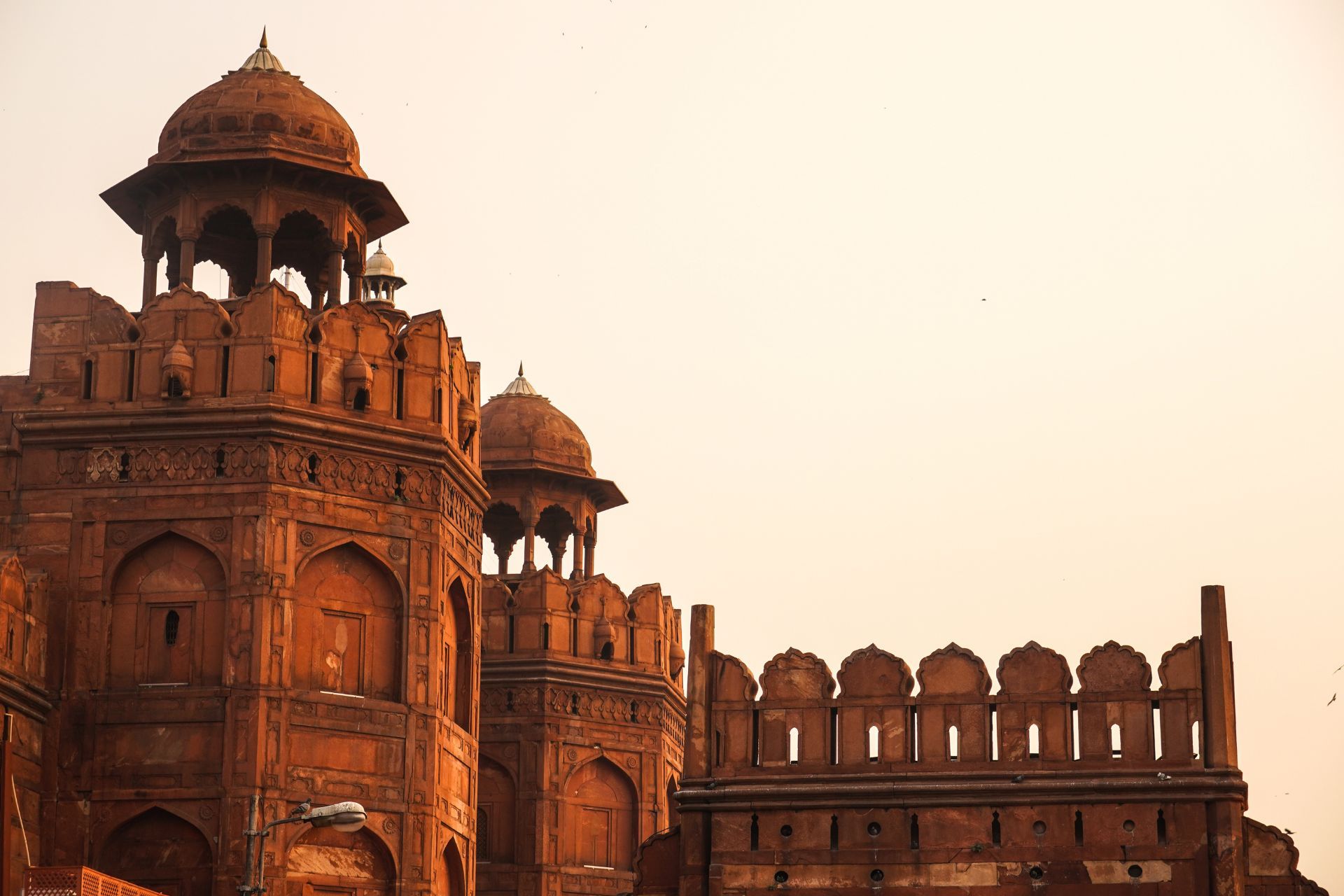
Jama Masjid, located in the heart of Old Delhi near the Red Fort, is one of the most magnificent mosques in India. Commissioned by Mughal Emperor Shah Jahan—the same ruler who built the Taj Mahal and the Red Fort—it was constructed between 1644 and 1656 under the supervision of Wazir Saadullah Khan and architect Ustad Khalil. Built with red sandstone and white marble, the mosque cost nearly one million rupees at the time. Its vast courtyard can accommodate up to 25,000 worshippers, making it the largest mosque in India. The mosque’s grandeur lies not only in its scale but also in its architectural beauty, with three great gates, four towers, and two towering minarets. Jama Masjid remains a living monument of Mughal artistry and Islamic heritage, drawing devotees and visitors alike for centuries.
Early morning hours are recommended, as temperatures are cooler and crowds fewer. Certain areas may temporarily restrict access during prayer times.
There is no mandatory ticketing system at the temple. Entry charges shown are indicative only and used for representation purposes.
Best Months: November – March
Best Time of Day: Morning hours
Seasonal & weather details:

Jama Masjid is situated off Netaji Subhash Marg, west of the Red Fort, in the bustling area of Meena Bazaar, Chandni Chowk. The nearest metro stations are Chawri Bazaar and Jama Masjid, both within walking distance. Its central location makes it easily accessible by rickshaw, taxi, or metro.

Visitors must dress modestly, covering arms and legs; robes are available at the entrance if needed. Shoes must be removed before entering. Silence and respect for worshippers are expected at all times. Photography is restricted and requires a fee. Non-Muslims are not allowed during prayer times, especially on Fridays and religious occasions.

Since Jama Masjid is located in a busy part of Old Delhi, be mindful of crowds and pickpockets in the surrounding bazaars. It’s best to visit during the morning or late afternoon to avoid peak rush. Carry water, especially in summer, and wear comfortable footwear as you’ll need to walk through bustling lanes. Respect the sanctity of the mosque by dressing appropriately and following staff instructions.
Enter your email to receive a reset link