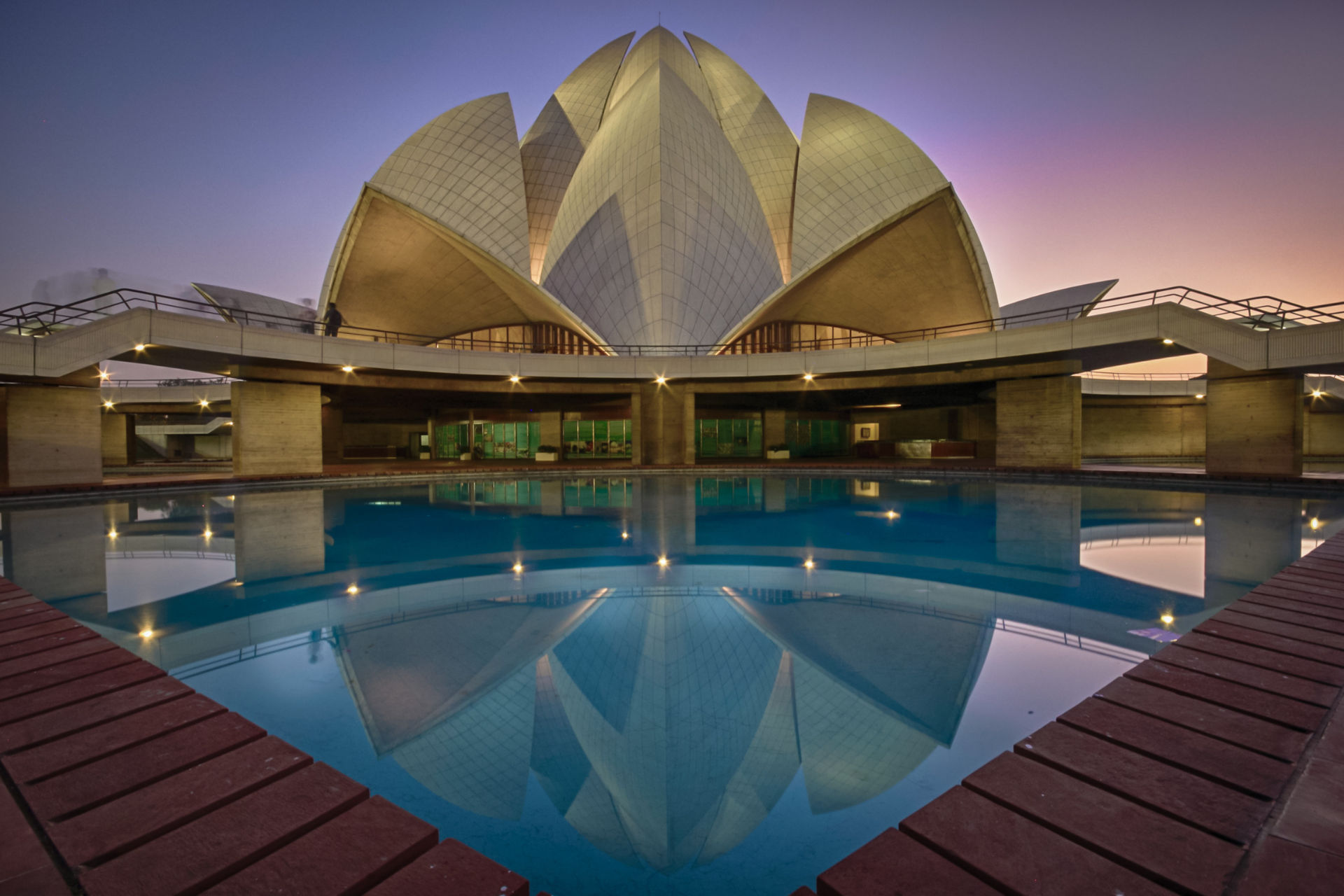
A symbol of peace, unity, and spiritual reflection in the heart of Delhi.
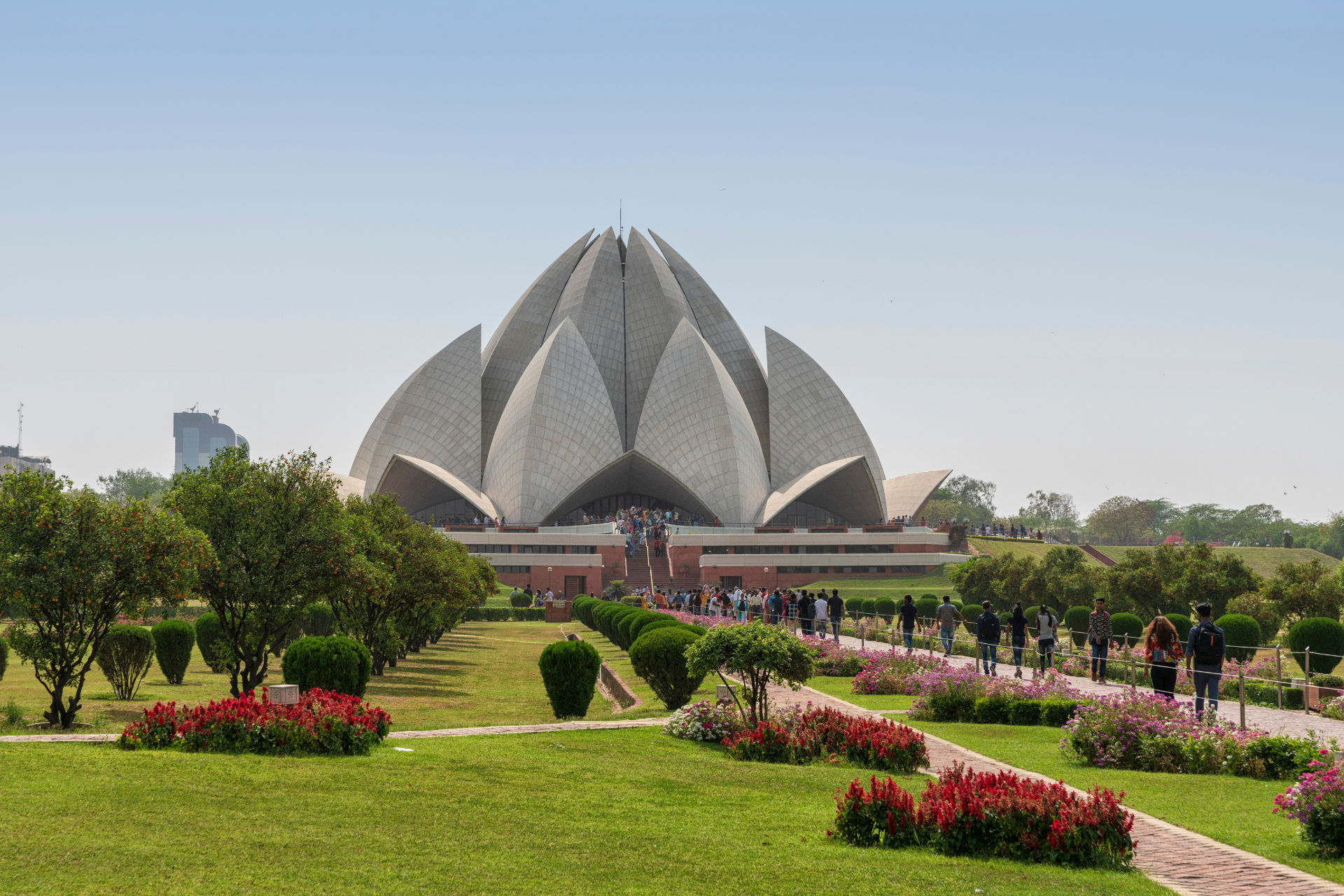
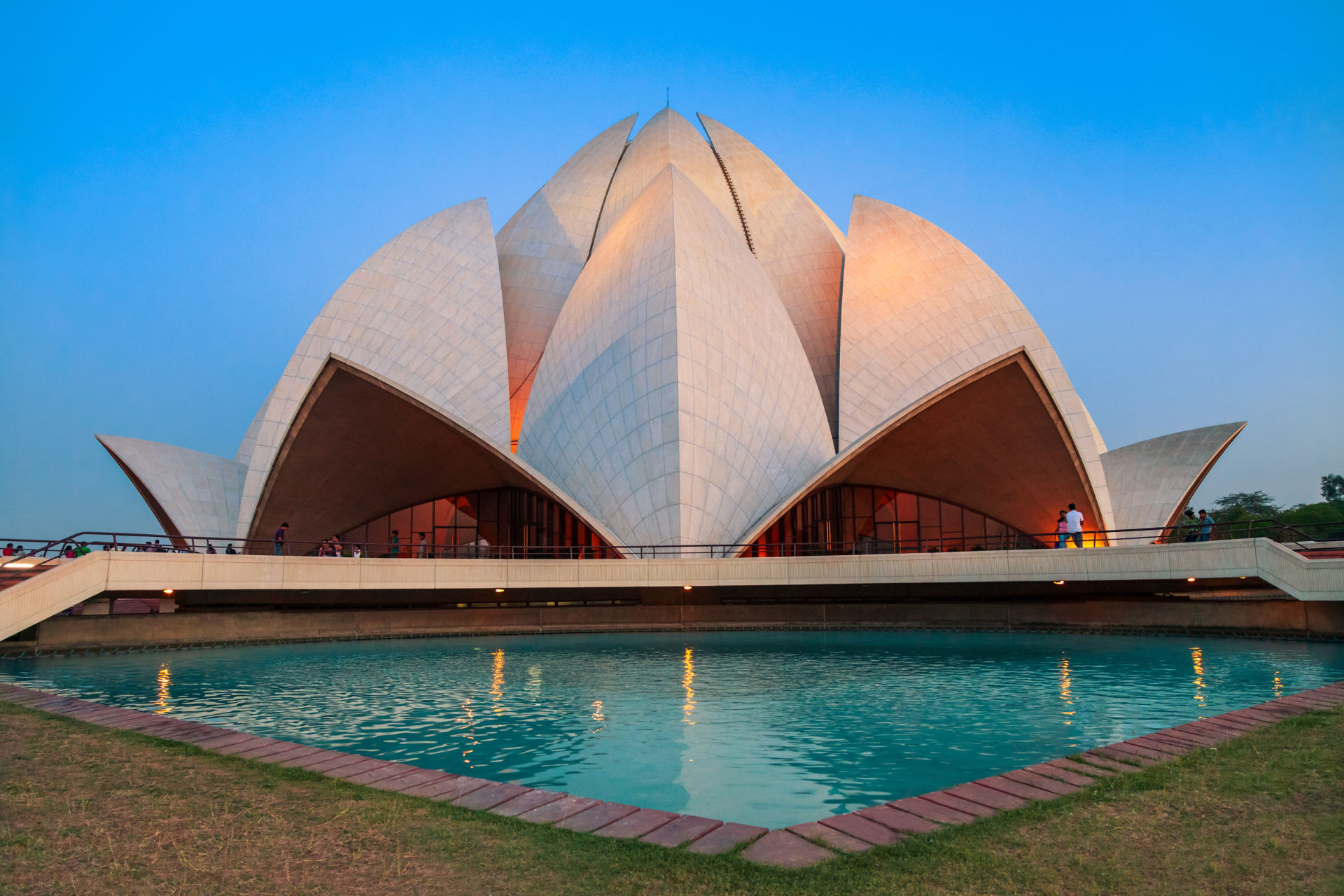
The Lotus Temple, inaugurated on 13 November 1986, is one of Delhi’s most celebrated landmarks and a global symbol of harmony. Designed by Iranian architect Fariborz Sahba, the temple is shaped like a blooming lotus, with 27 marble petals arranged in clusters of three to form nine sides. Built from pristine white marble sourced from Greece, the temple rises to a height of 34 meters and can accommodate around 2,500 people in its central prayer hall.
As a Baháʼí House of Worship, the Lotus Temple is unique in its openness—it welcomes people of all faiths and backgrounds. There are no rituals, sermons, or religious ceremonies performed here; instead, it is a place for silent prayer, meditation, and reflection. Surrounded by beautifully landscaped gardens, the temple has become one of the most visited buildings in the world, drawing millions annually for its architectural brilliance and spiritual message of unity.
Early morning hours are recommended, as temperatures are cooler and crowds fewer. Certain areas may temporarily restrict access during prayer times.
There is no mandatory ticketing system at the temple. Entry charges shown are indicative only and used for representation purposes.
Best Months: November – March
Best Time of Day: Morning hours
Seasonal & weather details:

The Lotus Temple is located near Kalkaji Temple, east of Nehru Place in South Delhi. The nearest metro station is Kalkaji Mandir, which is within walking distance. Its official address is: Lotus Temple Road, Shambhu Dayal Bagh, Bahapur, Kalkaji, New Delhi – 110019.

Visitors are expected to maintain silence inside the prayer hall to preserve its meditative atmosphere. Shoes must be removed before entry, and modest attire is recommended. Religious rituals, sermons, or ceremonies are not permitted. Eating, smoking, or littering within the premises is strictly prohibited. Photography inside the hall requires prior permission.

To enjoy a peaceful visit, plan to arrive early in the morning or late in the afternoon to avoid heavy crowds. Carry water during the summer months, as the gardens are expansive. Dress modestly and respectfully, keeping in mind the spiritual nature of the site. Keep personal belongings secure and avoid carrying valuables. Follow the guidance of temple staff to ensure a smooth and serene experience.
Enter your email to receive a reset link