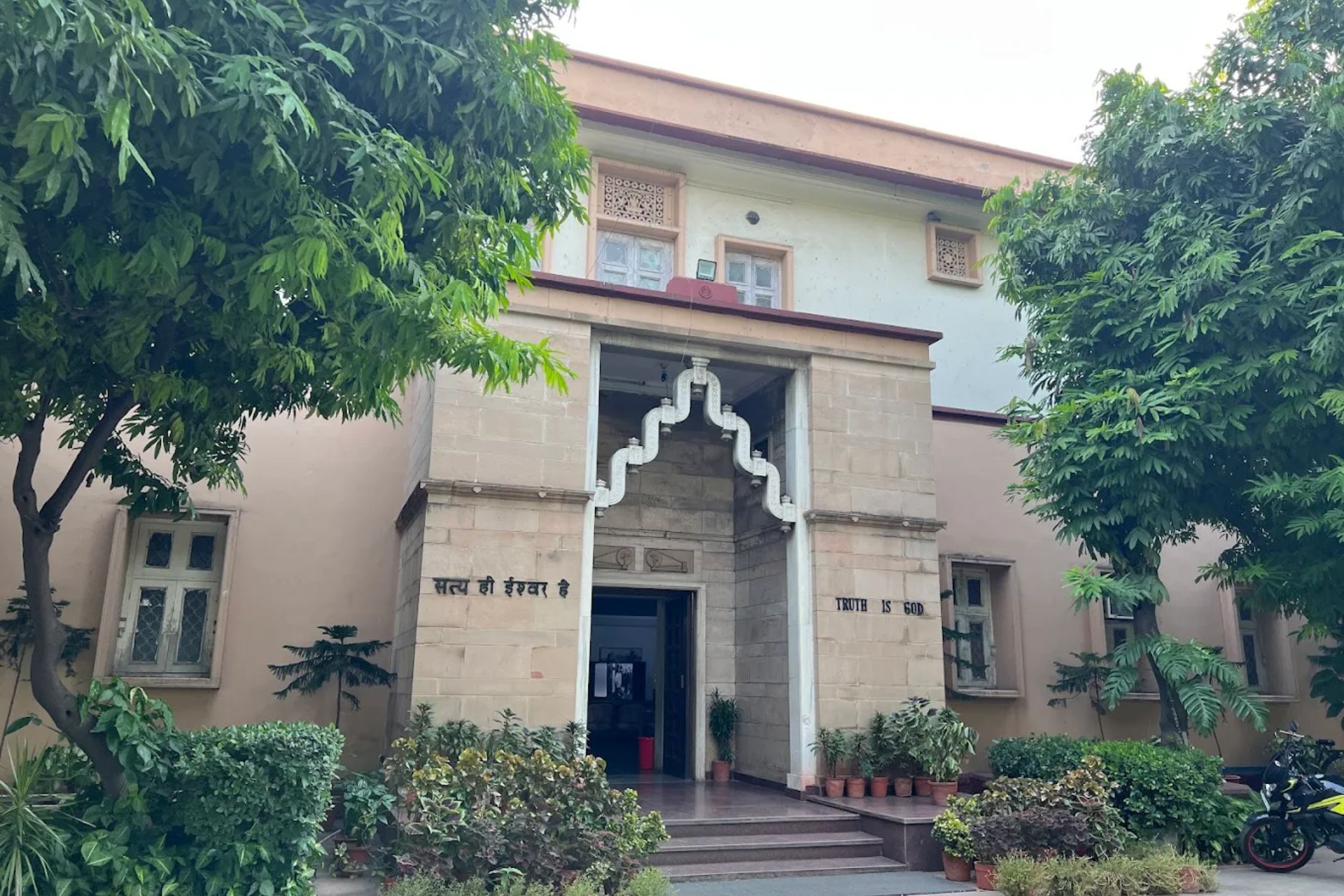
A museum opposite Raj Ghat, preserving Gandhi’s life, philosophy, and freedom struggle.
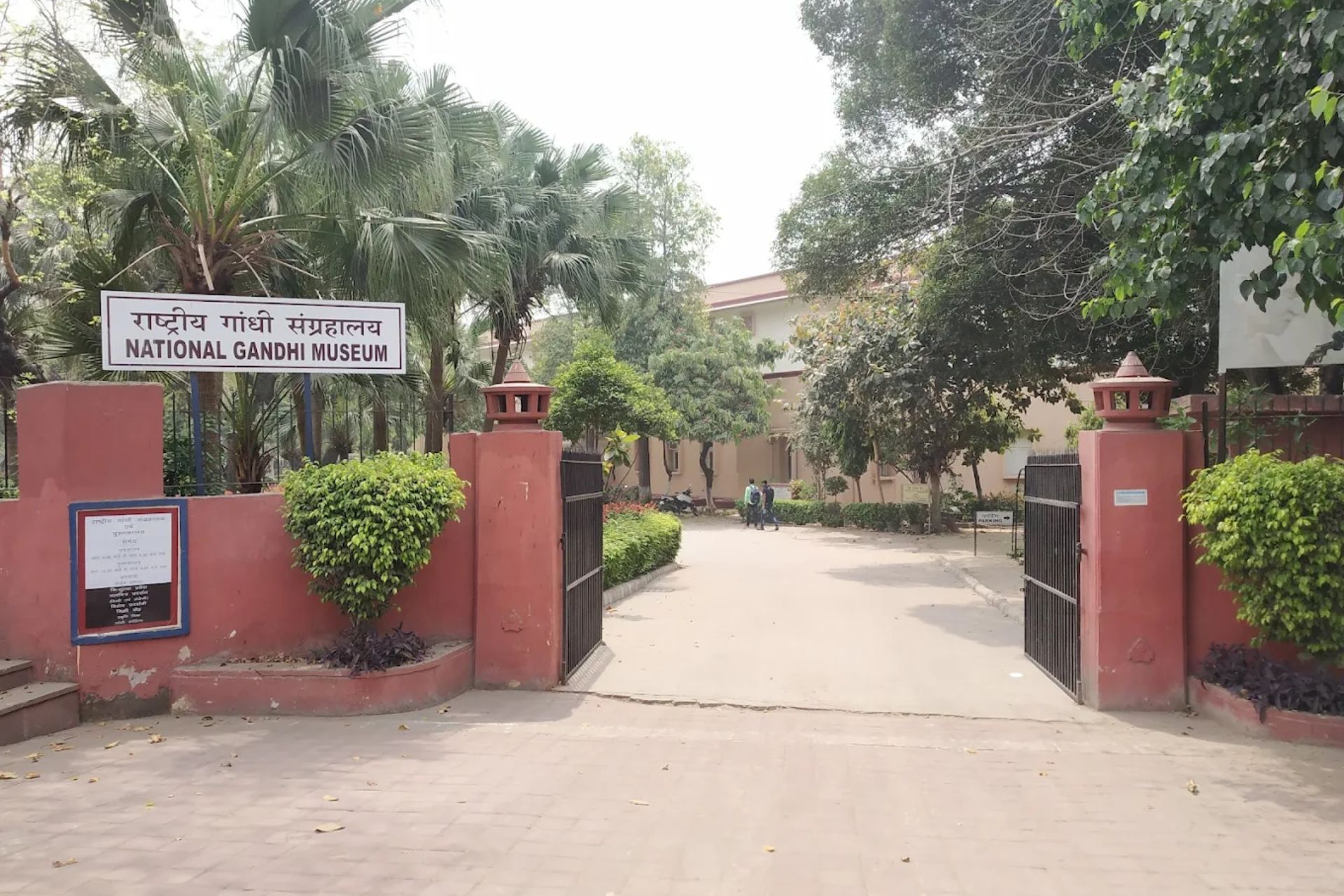
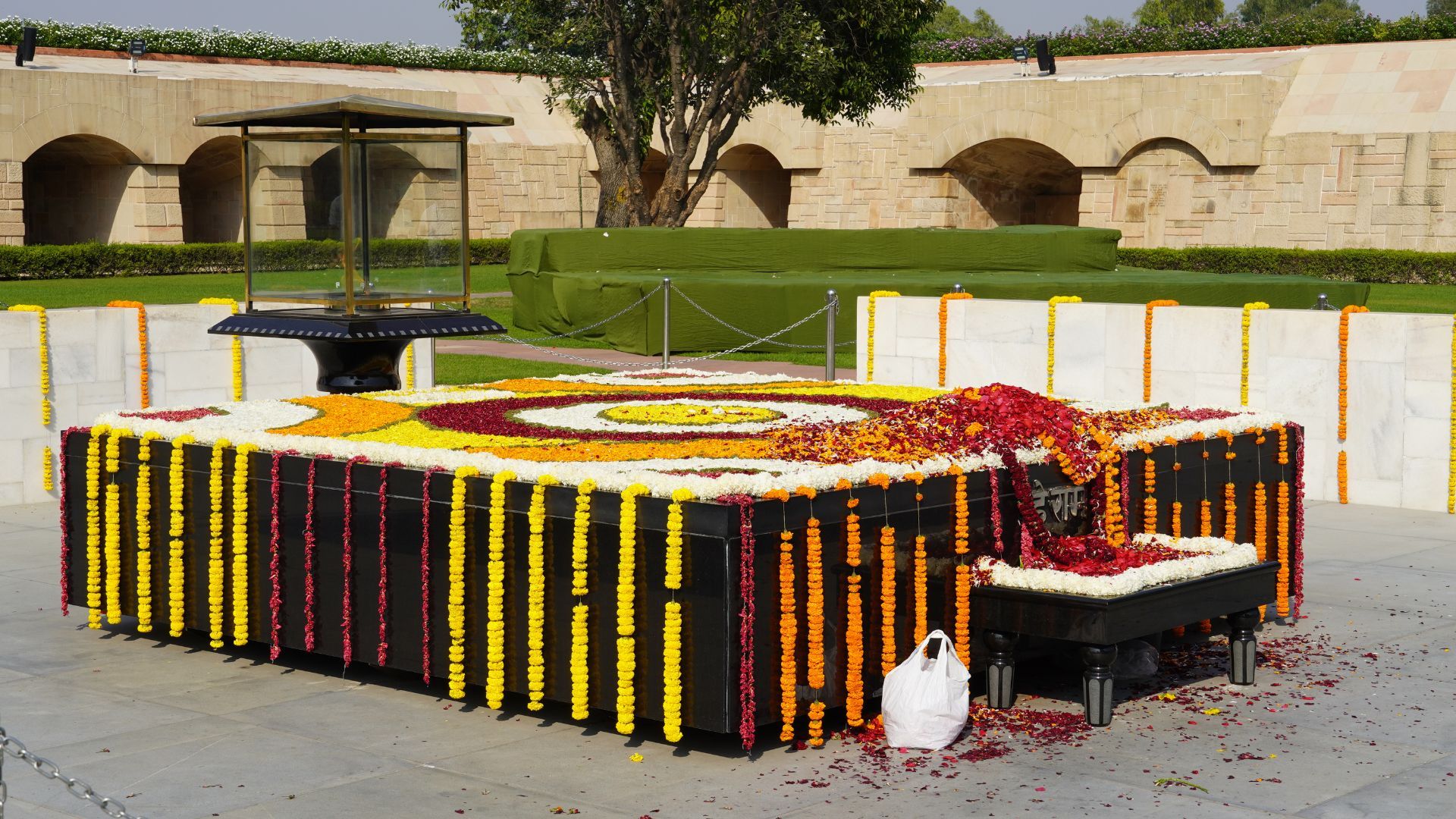
The National Gandhi Museum, located near Raj Ghat in New Delhi, is one of the most important institutions dedicated to Mahatma Gandhi. It was established soon after his assassination in 1948, with the Gandhi Smarak Nidhi deciding to set up museums across India to honor his memory. Initially housed in temporary locations, the museum was permanently shifted in 1959 to its current site opposite Gandhi’s cremation ground at Raj Ghat.
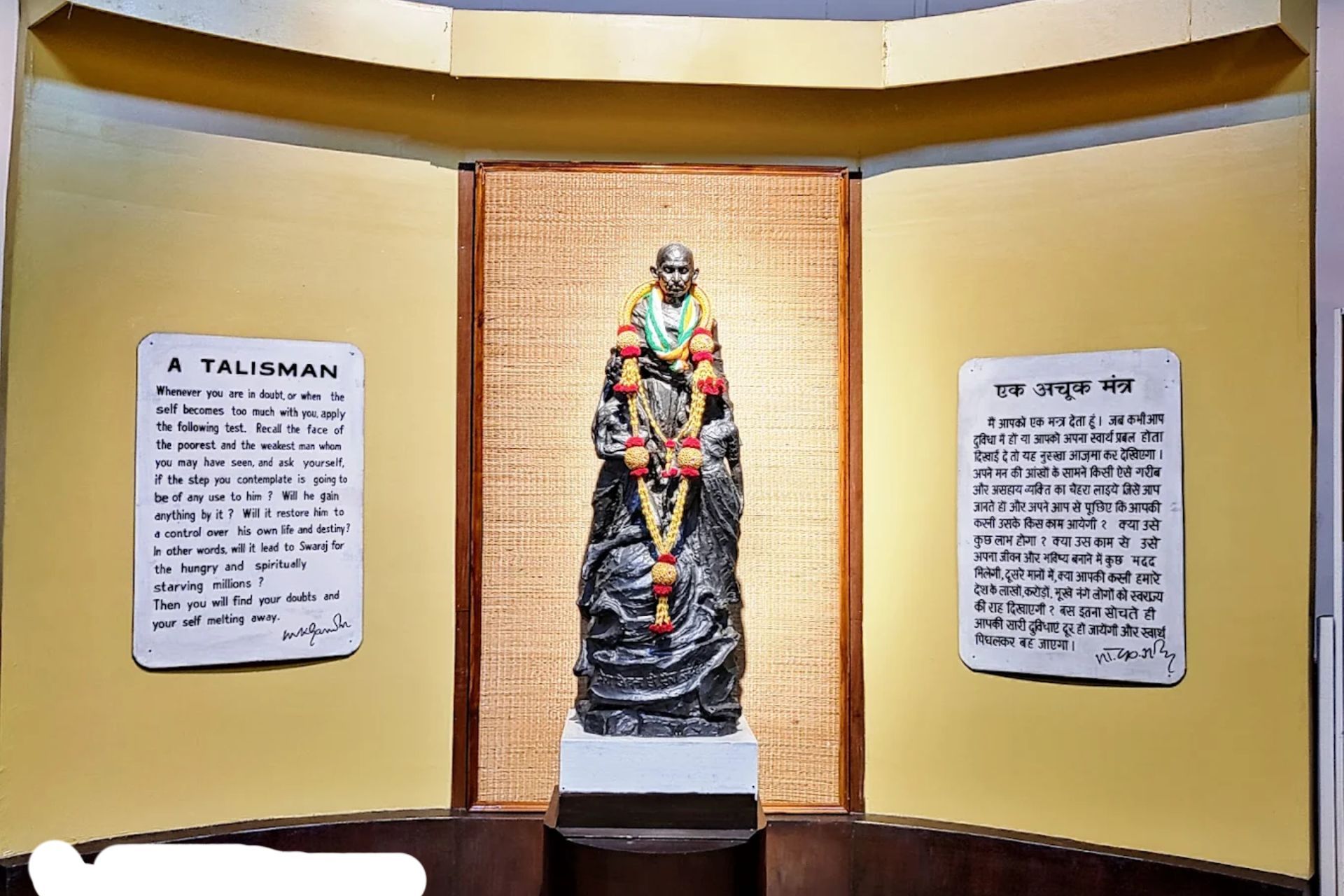
The museum houses a rich collection of personal belongings, manuscripts, photographs, journals, audio-visual recordings, and art pieces connected to Gandhi’s life and work. Visitors can see items like his walking stick, spectacles, and spinning wheel, alongside rare documents and letters. It also features exhibitions on India’s freedom struggle, Gandhi’s philosophy of non-violence, and his global influence. The museum serves as both a historical archive and an educational center, attracting scholars, students, and tourists alike.
Early morning hours are recommended, as temperatures are cooler and crowds fewer. Certain areas may temporarily restrict access during prayer times.
There is no mandatory ticketing system at the temple. Entry charges shown are indicative only and used for representation purposes.
Best Months: November – March
Best Time of Day: Morning hours
Seasonal & weather details:

The museum is located at Rajghat, M.G. Road, New Delhi – 110002, opposite Gandhi’s Samadhi. The nearest metro stations are Delhi Gate (Violet Line) and Pragati Maidan (Blue Line), both within a short auto-rickshaw or taxi ride.

Visitors are expected to maintain silence and respect the sanctity of the exhibits. Large bags must be checked into lockers. Photography is permitted without flash, while video recording is restricted unless specified.

Plan your visit during the morning or early afternoon for a quieter experience. Wear comfortable footwear, as the museum includes multiple galleries. Carry water during summer months, and allow at least 1–2 hours to explore the exhibits thoroughly.
Enter your email to receive a reset link